


The Technical Difference: Standard Progressives vs. Specialized Workspace Lenses Explained
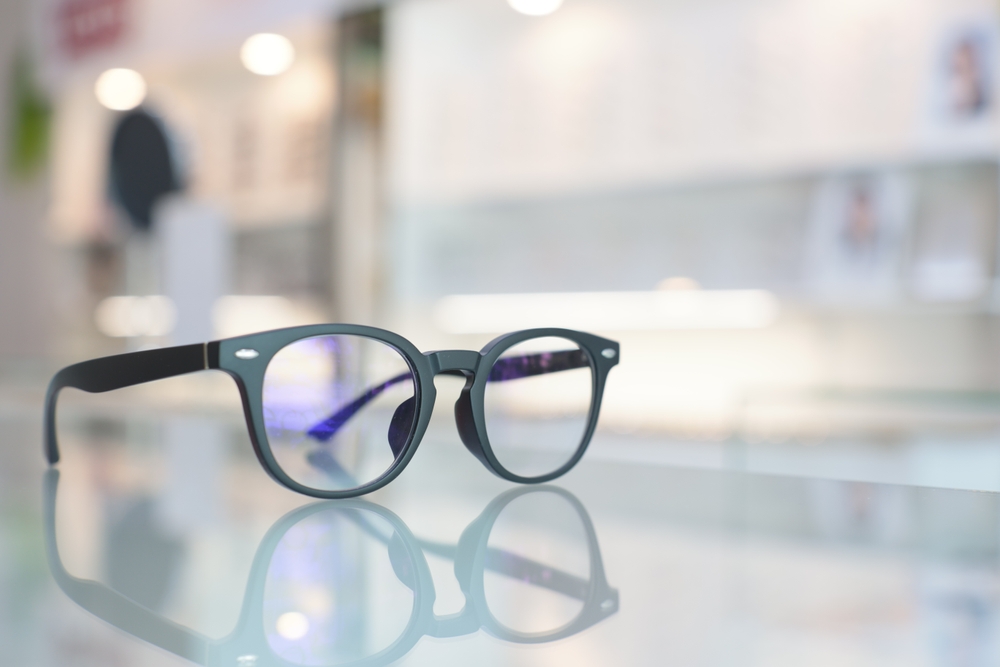
Progressive lenses are designed to help people see clearly at multiple distances without switching between separate pairs of glasses. While standard progressives work well for everyday use, they are not always the best fit for long hours at a desk, computer, or workstation. That is where specialized workspace lenses can make a meaningful difference.
For patients in Wildomar who spend much of the day on screens, understanding the difference between standard progressives and workspace lenses can help improve comfort, clarity, and productivity.
What Standard Progressives Are Designed To Do
Standard progressive lenses provide a gradual transition between distance, intermediate, and near vision. The top portion of the lens helps with distance tasks, the middle supports intermediate viewing, and the lower section is used for reading.
This design is convenient for daily life because it allows you to drive, walk, shop, read, and check your phone with one pair of glasses. However, the intermediate zone in standard progressives is often more limited than many people expect. For someone who works at a computer for hours, this can lead to frequent head tilting, neck strain, or blurred screen vision.
What Makes Workspace Lenses Different
Specialized workspace lenses are designed around the distances used most often in an office, home office, or technical work environment. Instead of prioritizing distance vision, they expand the areas needed for near and intermediate tasks.
This means your computer screen, paperwork, phone, tablet, and desk space can all feel more natural to view. Workspace lenses are not typically meant for driving or full-time outdoor use, but they can be an excellent second pair for focused work.
Common Signs You May Need Workspace Lenses
If your current progressive lenses feel fine for daily errands but uncomfortable at your desk, the issue may not be your prescription. It may be the lens design.
Common signs include:
• Tilting your head back to see your monitor clearly
• Moving closer to or farther from your screen throughout the day
• Neck, shoulder, or eye strain after computer work
• Blurry intermediate vision even with updated glasses
• Feeling like your reading area is too narrow for multitasking
How The Right Lens Design Improves Everyday Comfort
Two people can have the same prescription but need very different lens designs based on how they use their vision. A teacher, architect, accountant, designer, student, or remote worker may all rely heavily on intermediate and near vision throughout the day.
Workspace lenses help by giving these viewing zones more room within the lens. This allows your eyes and posture to work more naturally, especially when your tasks stay within a predictable range.
Choosing The Right Lens For Your Routine
The best choice depends on your daily habits. Standard progressives are often ideal for all-around wear, while specialized workspace lenses are better suited for computer-heavy tasks and detailed close work. Many patients benefit from having both - one pair for everyday use and another for work. A comprehensive eye exam helps match your prescription, frame choice, screen distance, and work setup to the right design.
Schedule an eye exam at Optometric Vision Experience to learn more about progressives and specialized workspace lenses. Visit our office in Wildomar, CA, or call (951) 400-4552 to book an appointment today.

- Monday8:00 am - 5:00 pm
- Tuesday8:00 am - 5:00 pm
- Wednesday8:00 am - 5:00 pm
- Thursday8:00 am - 5:00 pm
- Friday8:00 am - 5:00 pm
- Saturday8:00 am - 12:00 pm
1:00 pm - 3:30 pm - SundayClosed
© 2026 Optometric Vision Experience. All rights Reserved. Accessibility Statement - Privacy Policy - Sitemap
Managed and Designed By
