


Is Your Child’s Vision Getting Worse? Early Signs of Myopia Parents In Wildomar Should Watch For
Is Your Child’s Vision Getting Worse? Early Signs of Myopia Parents In Wildomar Should Watch For
Myopia, or nearsightedness, is a common vision condition that makes faraway objects look blurry while close-up objects remain clearer. For children, this can affect school, sports, reading the board, and daily confidence. Myopia often begins during childhood and can progress as the eyes continue to grow.
For parents in Wildomar, noticing early changes in your child’s vision can make a meaningful difference. The sooner myopia is detected, the sooner our eye doctors can monitor changes and discuss options that may help support clearer vision over time.
Early Signs Your Child May Be Nearsighted
Children do not always know how to explain vision changes. Some may think blurry distance vision is normal, especially if it develops gradually. Parents may notice small habits or behavior changes before a child complains.
Common signs of myopia in children include:
• Squinting to see the board, TV, or signs in the distance
• Sitting very close to screens or holding books close
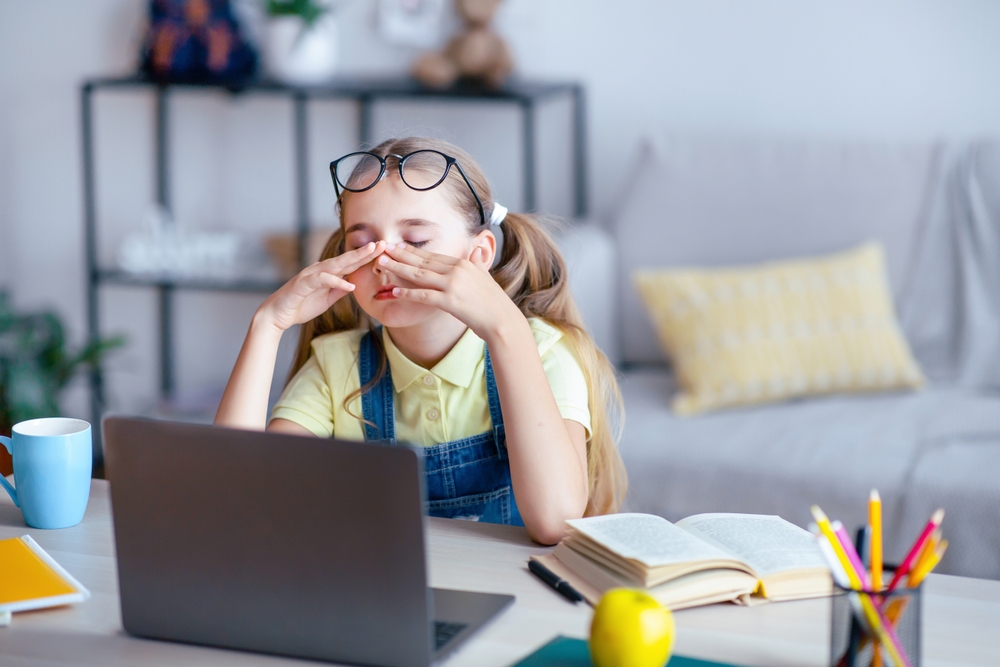
• Complaints of headaches or tired eyes after school
• Trouble seeing during sports or outdoor activities
• Frequent eye rubbing or blinking
• Losing interest in tasks that require distance vision
• A drop in school performance or focus
If these signs appear often, a pediatric eye exam can help determine whether your child’s prescription has changed.
Why Myopia Can Progress During Childhood
Myopia is often linked to changes in the shape and growth of the eye. As a child grows, the eye may become too long from front to back, causing light to focus in front of the retina instead of directly on it. This leads to blurry distance vision.
Genetics can play a role, especially if one or both parents are nearsighted. Daily habits may also contribute, including long periods of near work, heavy screen use, and limited outdoor time. While not every child’s myopia progresses at the same pace, regular monitoring is important because prescriptions can change more quickly during school-age years.
The Importance of Regular Eye Exams
School vision screenings are helpful, but they are not a replacement for a comprehensive eye exam. A screening may only check basic distance clarity, while a full exam evaluates your child’s prescription, eye teaming, focusing ability, and overall eye health.
At Optometric Vision Experience, pediatric eye care focuses on early detection and personalized recommendations. If your child’s vision is changing, the eye doctor can track progression and explain whether standard glasses, contact lenses, or myopia management options may be appropriate.
When Parents Should Schedule An Exam
If your child is squinting, struggling to see at school, or needing stronger glasses more often, it is time to schedule an eye exam. Even if your child has not complained, yearly exams can help catch vision changes early and keep their prescription up to date.
Parents in Wildomar should also consider an exam before the school year, after a teacher reports vision concerns, or when screen-related eye strain becomes more frequent. Early care can help your child see more clearly and feel more comfortable in the classroom and beyond.
Schedule a pediatric eye exam at Optometric Vision Experience to check your child’s vision, monitor myopia progression, and learn about options that can support clearer sight as they grow. Visit our office in Wildomar, CA, or call (951) 400-4552 to book an appointment today.

- Monday8:00 am - 5:00 pm
- Tuesday8:00 am - 5:00 pm
- Wednesday8:00 am - 5:00 pm
- Thursday8:00 am - 5:00 pm
- Friday8:00 am - 5:00 pm
- Saturday8:00 am - 12:00 pm
1:00 pm - 3:30 pm - SundayClosed
© 2026 Optometric Vision Experience. All rights Reserved. Accessibility Statement - Privacy Policy - Sitemap
Managed and Designed By
